Section 00
Well-being and Coping with Stress
Why emotional health and stress awareness aren’t soft extras in creative careers, and why mentors who overlook them risk missing what learning actually needs to thrive.
Section 01
Introduction
Well-being and coping with stress are increasingly recognised as fundamental dimensions of any learning and professional development process. This is particularly true within creative education and creative careers, where individuals are often required to navigate uncertainty, emotional exposure, precarious working conditions and high levels of self-expectation. In such contexts, personal well-being is not an accessory skill, but a core condition for sustainable learning, creative growth and meaningful mentoring relationships.
MULAB works at the intersection of creative education, facilitation and well-being, supporting young people engaged in artistic and cultural practices. Our approach is grounded in the belief that learning environments must be designed not only to develop technical or professional competences, but also to actively support mental and emotional health. This perspective is especially relevant when working with young people and emerging creative practitioners, for whom periods of transition, training and career development often coincide with high levels of stress and vulnerability.
Read the full introduction
The topic of well-being and coping with stress connects directly to creative mentoring, as mentoring relationships rely on trust, continuity and the creation of a protected space for reflection and exchange. Effective mentoring requires time, emotional availability and a shared awareness of personal limits and resources. Without attention to well-being, mentoring risks becoming purely performance-oriented, overlooking the human dimensions that enable learning to take place.
Within broader educational and socio-cultural contexts, there is a growing need to recognise stress as a structural issue rather than an individual failure. Creative fields, in particular, tend to normalise overload, insecurity and competition, often leaving individuals without adequate tools to recognise moments of crisis or to seek support. Addressing well-being within training and mentoring processes therefore represents both a pedagogical and an ethical responsibility.
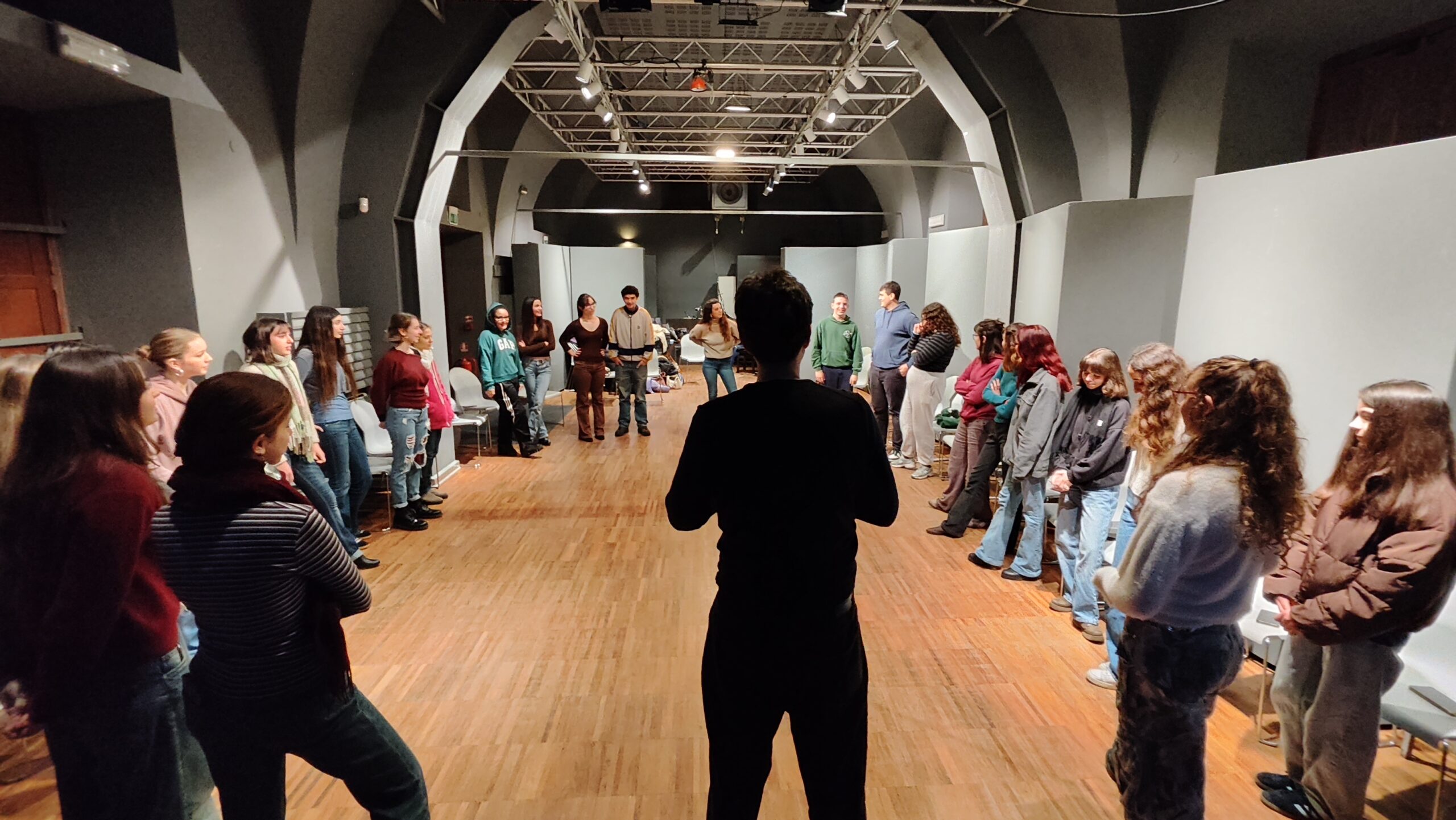
MULAB’s approvach integrates experiential methods drawn from theatre, group work and facilitation practices. These methods embodied experience, emotional awareness and relational dynamics as entry points to self-awareness and resilience. Through practices that cultivate trust, empathy and presence, participants are encouraged to explore their own inner landscape in the present moment, while also learning to attune to the emotional states of others.
Section 02
Tools and Resources
CARE: Culture for Mental Health (Culture Action Europe)
CARE is a European initiative exploring how arts and culture can promote mental health and well-being, particularly among young people and cultural professionals.
The project offers training activities, workshops, expert exchanges and digital resources that encourage collaboration between the cultural, health and social sectors. In a mentoring context, these resources can help mentors introduce creative approaches to well-being, facilitate discussions on mental health, and strengthen participants’ resilience and social inclusion.
The materials are suitable for both individual and group mentoring, supporting formal and non-formal learning environments where reflection, collaboration and creative participation are encouraged.
Culture and Health Platform (Culture Action Europe)
The Culture and Health Platform brings together policy insights, webinars, case studies and practical resources exploring the relationship between culture and mental health. It supports artists, educators and cultural professionals in understanding how creative practices can foster emotional well-being, resilience and social inclusion.
In a mentoring context, the platform can be used to stimulate discussion, share evidence-based practices and inspire creative activities that promote mental health awareness.
Its resources are suitable for both individual and group mentoring, supporting formal, non-formal and professional learning environments where reflection, knowledge exchange and collaborative learning are encouraged.
Mental Health & Well-Being Toolkit – EURORDIS
The Mental Health & Well-Being Toolkit is an open-access resource offering practical strategies, reflective exercises and peer-support approaches to strengthen emotional resilience and manage stress. Although developed within a health context, its tools are easily transferable to mentoring and creative learning settings.
In a mentoring context, mentors can use the toolkit to support well-being conversations, encourage self-reflection and develop participants’ coping and self-care skills.
The activities are suitable for both individual and group mentoring, supporting formal, non-formal and community-based learning environments where emotional well-being, resilience and mutual support are key learning objectives.
Culture for Health – Evidence Review (EU)
This European evidence review examines the impact of cultural participation on physical and mental well-being, presenting research-based findings on the links between culture, social inclusion and health outcomes.
In a mentoring context, it can help mentors and educators build evidence-informed activities, justify the use of creative approaches and encourage discussion on the wider benefits of cultural engagement.
While primarily a reference resource rather than a practical toolkit, it can inform the design of both individual and group mentoring activities. It is particularly suited to formal, non-formal and professional learning environments focused on programme development, training and advocacy.
WHO – HEALTH EVIDENCE NETWORK SYNTHESIS REPORT 67
This WHO report synthesises evidence from more than 3,000 studies on the role of the arts in promoting health and well-being, with a particular focus on the WHO European Region. It demonstrates how artistic and cultural activities contribute to disease prevention, health promotion, and the management of physical and mental health throughout the lifespan.
In a mentoring context, the report provides a strong evidence base for integrating creative practices into mentoring programmes and for supporting discussions on well-being and social inclusion.
It is most suitable for both individual and group mentoring in formal, non-formal and professional learning environments, particularly for programme planning and mentor training.
Cultural Welfare Center (CCW)
The Cultural Welfare Center (CCW) is an Italian non-profit competence centre promoting the relationship between culture, health and well-being through research, publications, public events and capacity-building activities. Its resources explore how cultural participation can support mental health, social inclusion and quality of life, while offering methodological insights into cultural welfare approaches.
In a mentoring context, mentors can use the Centre’s articles and publications to deepen their understanding of cultural welfare, inform programme design and inspire reflective discussions on the value of arts-based practices.
The resources are suitable for both individual and group mentoring, supporting formal, non-formal and professional learning environments focused on lifelong learning and well-being.
Voices of Culture – Culture and Well-Being Dialogues
The Voices of Culture – Culture and Well-Being Dialogues reports present the outcomes of structured discussions between the European Commission and representatives of the cultural and creative sectors. They explore topics such as youth well-being, cultural participation, resilience and the role of culture in building inclusive societies, offering policy recommendations and strategic perspectives.
In a mentoring context, these reports can help mentors understand the wider policy framework, inform the development of culture-based mentoring activities and encourage critical discussion on well-being and participation.
They are suitable for both individual and group mentoring, supporting formal, non-formal and professional learning environments, particularly for mentor training and programme design.
P2CC Creative Careers Pathways model
The Creative Careers Pathway Model uses relatable profiles and stages to help mentors and mentees map out creative journeys. It highlights development routes and opportunities, making career growth in the cultural and creative industries easier to navigate.
Section 03
Cross-Thematic Resources
Report Io Sono Cultura 2025
Io Sono Cultura 2025, published by Fondazione Symbola and Unioncamere, provides an updated overview of...
Details

Io Sono Cultura 2025, published by Fondazione Symbola and Unioncamere, provides an up-to-date overview of the Italian cultural and creative economy while highlighting the contribution of culture to individual and collective well-being. The report explores issues including young people’s mental health, social inclusion and the development of socio-emotional skills, demonstrating how participation in cultural activities strengthens resilience, social cohesion and civic engagement.
In a mentoring context, it helps mentors frame creative practice within wider social and community perspectives, encouraging collaborative learning and inclusive participation.
The report is particularly valuable for group mentoring and community-based, formal and non-formal learning environments, where creativity can foster social impact, inclusion and shared well-being.
Rosetta Arts
Rosetta Arts is a community arts hub in East London delivering inclusive visual arts programmes that promote creativity, well-being and access to creative careers....
Details

Rosetta Arts is a community arts hub in East London delivering inclusive visual arts programmes that promote creativity, well-being and access to creative careers. Through workshops, mentoring, exhibitions and collaborative projects, it creates opportunities for people of all ages and backgrounds to develop skills, confidence and social connections.
In a mentoring context, its programmes demonstrate how creative practice can strengthen well-being while fostering inclusion, community participation and socially engaged learning.
The organisation provides valuable examples of mentoring embedded within collaborative artistic processes, making it particularly relevant for group mentoring in community-based, non-formal and informal learning environments where creativity, equality and social impact are closely interconnected.
Fondazione Patrizio Paoletti
Fondazione Patrizio Paoletti is a non-profit research and educational organisation dedicated to advancing neuroscience, psycho-pedagogy...
Details

Fondazione Patrizio Paoletti is a non-profit research and educational organisation dedicated to advancing neuroscience, psycho-pedagogy, lifelong learning and social development. Through evidence-based educational programmes, training and research, it promotes emotional well-being, life skills, self-awareness and collective responsibility across schools, communities and professional settings.
In a mentoring context, its resources can help mentors strengthen socio-emotional competencies, facilitate reflective practice and foster collaborative learning.
The Foundation’s interdisciplinary approach creates strong links between well-being, inclusion, equality and community engagement, making its materials suitable for both individual and group mentoring in formal, non-formal and community-based learning environments.
Associazione Agave
"A.G.A.V.E. (Associazione Giovani Adulti Volontari Europei) is an italian non-profit organisation...
Details

Associazione A.G.A.V.E. is an Italian non-profit organisation dedicated to promoting and protecting mental health through awareness-raising, education, prevention and research. Bringing together professionals from different disciplines, it develops initiatives that encourage mental well-being, reduce stigma and strengthen community engagement, with particular attention to young people and vulnerable groups.
In a mentoring context, its work offers valuable inspiration for creating safe, inclusive and supportive relationships, while highlighting the importance of collaboration between mentors, communities and mental health professionals.
Its resources are suitable for both individual and group mentoring, supporting community-based, formal and non-formal learning environments where well-being, inclusion, equality and active participation are closely connected.
Creative Arts Interventions for Stress Management and Prevention
This systematic review examines the effectiveness of creative arts interventions (including art, music, dance/movement and drama) in preventing and reducing stress...
Details

This systematic review examines the effectiveness of creative arts interventions (including art, music, dance/movement and drama) in preventing and reducing stress. Drawing on evidence from 37 studies, most of which were randomised controlled trials, it shows that creative arts approaches can significantly improve stress management and emotional well-being.
In a mentoring context, the review provides an evidence-based rationale for integrating creative activities into mentoring programmes to foster resilience, self-expression and reflective practice.
It also highlights the value of collaborative arts experiences in strengthening social connection and inclusion, making it relevant for both individual and group mentoring across formal, non-formal and community-based learning environments, particularly where creativity supports well-being and social impact.
Section 04
Topic-Related Activities
Workshop Context & Background
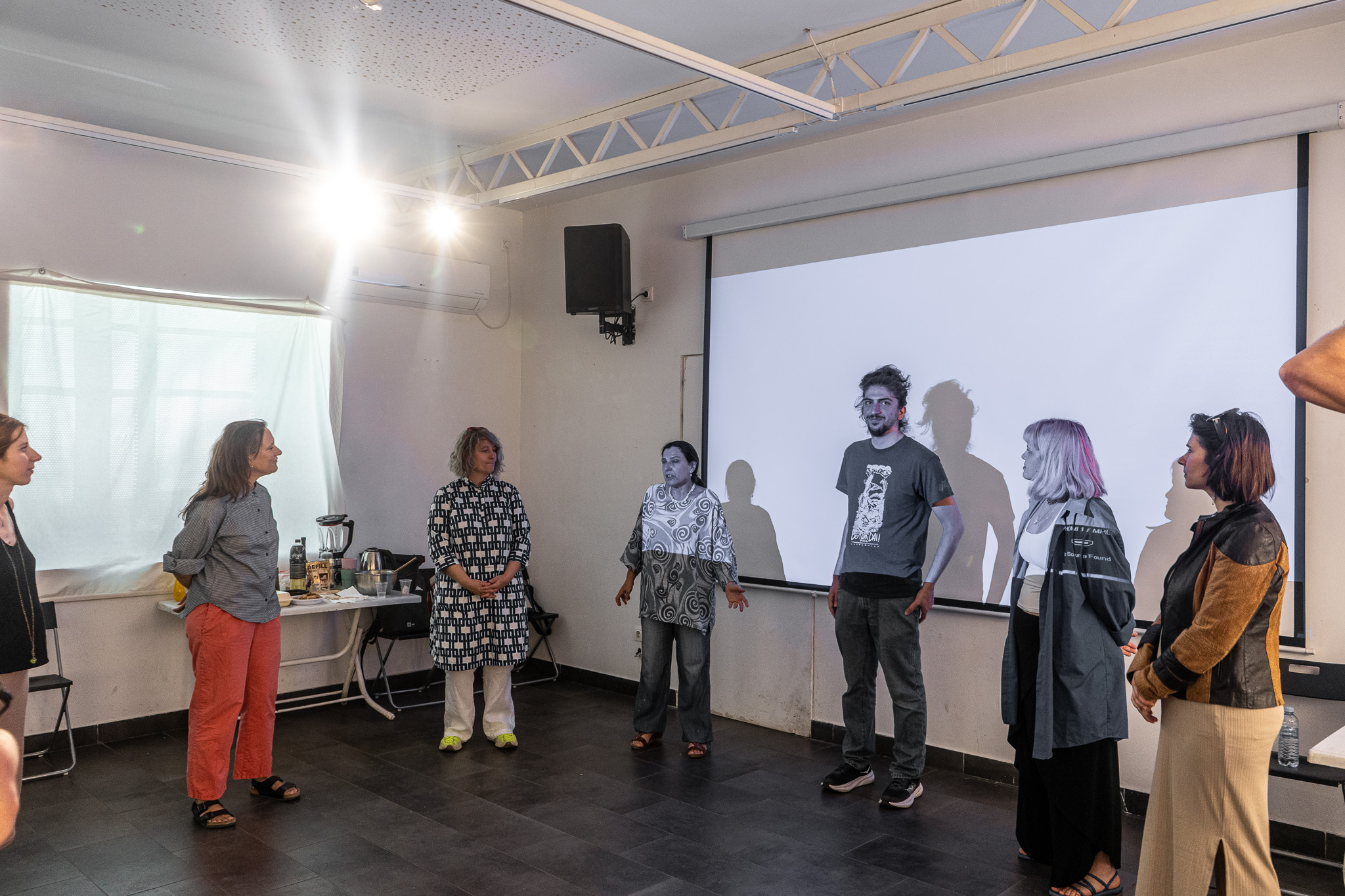
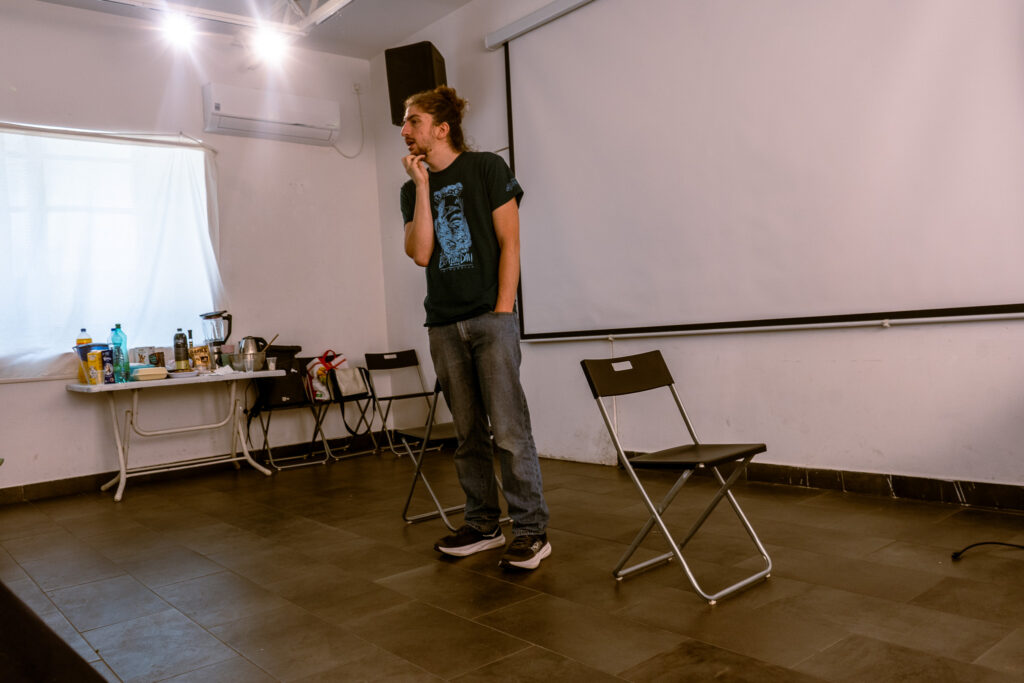
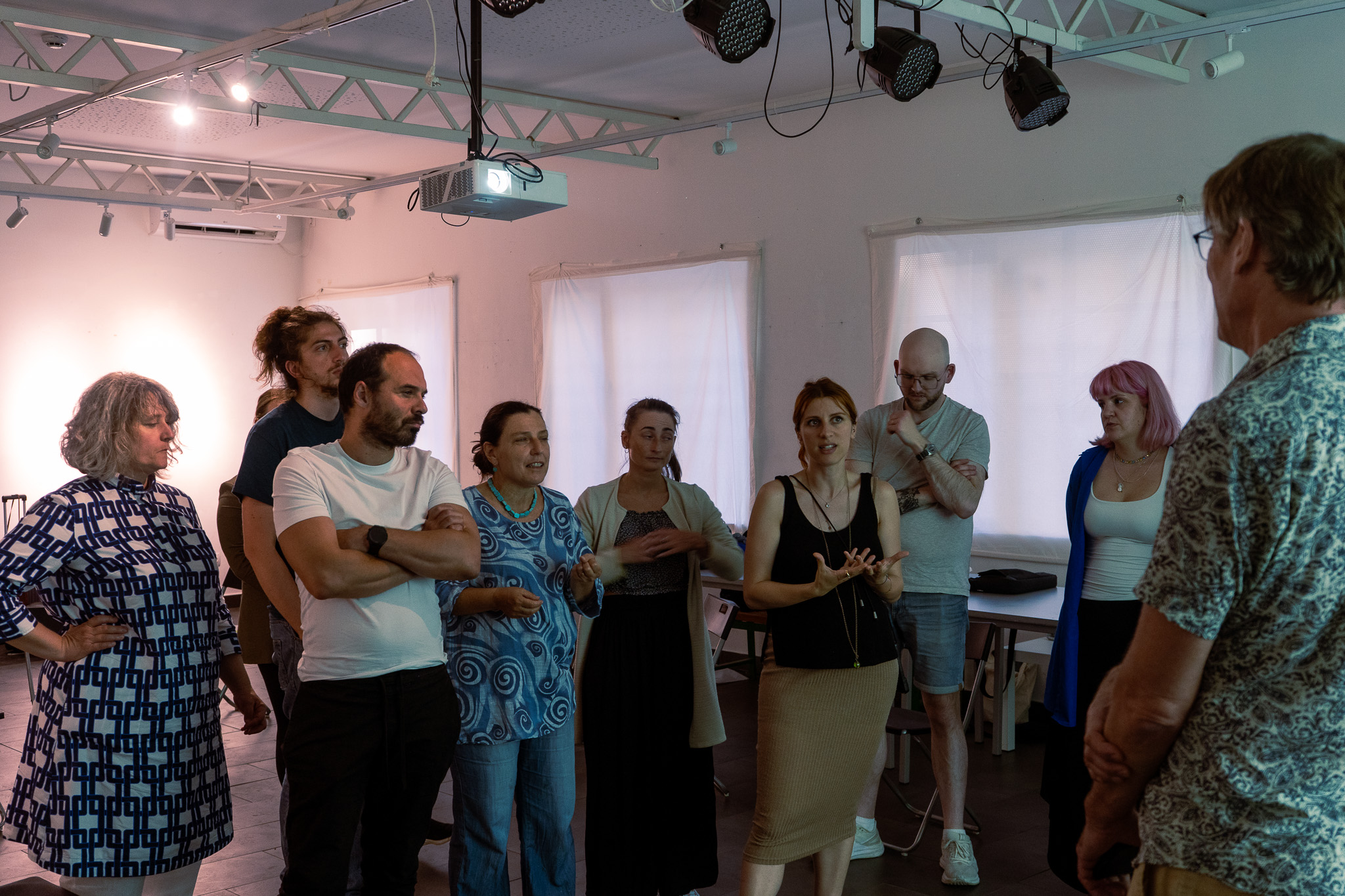
The following activities are designed to address well-being and coping with stress through simple, transferable practices rooted in theatrical training and group facilitation. They draw on the experience of the Skopje Co-Production Lab and on participants’ responses, which highlighted the need for safe spaces, trust, emotional awareness and time to build meaningful relationships within creative learning and mentoring contexts.
Creative paths often expose individuals to uncertainty, performance pressure and emotional vulnerability. These exercises aim to support mentors and educators in creating environments where participants feel safe to express themselves, recognise stress signals and develop self-awareness. Rather than focusing on performance or outcomes, the activities prioritise presence, listening and relational dynamics.
Each exercise can be implemented within an average timeframe of 30 minutes and all of them can be adapted to different group sizes and settings, including non-theatrical contexts. No specialised equipment is required, and all activities can be facilitated by mentors or educators without formal theatre training. Reflection questions are included to encourage individual and collective processing, helping participants connect embodied experience with their everyday creative or learning practices.
Building a Safe Space
Full Activity Details
Step 1: Participants stand in a circle. The facilitator invites the group to agree on a few shared principles for the session (e.g. confidentiality, respect, listening without judgement).
Step 2: One participant at a time takes a small step into the circle, states their name, and performs a simple, non-verbal gesture expressing how they feel in that moment. The group mirrors the gesture together.
Step 3: Collective circle time for the reflective questions.
The exercise fosters trust and establishes a protected space where emotions are acknowledged without explanation or evaluation. It helps participants feel seen and supported, reducing initial tension and creating conditions for open participation.
Duration: 30 minutes (increase accordingly with the number of participants)
Note for facilitators: The presented activities are designed to address well-being and coping with stress through simple, transferable practices rooted in theatrical training and group facilitation. They draw on the experience of the Skopje Co-Production Lab and on participants’ responses, which highlighted the need for safe spaces, trust, emotional awareness and time to build meaningful relationships within creative learning and mentoring contexts.
Creative paths often expose individuals to uncertainty, performance pressure and emotional vulnerability. These exercises aim to support mentors and educators in creating environments where participants feel safe to express themselves, recognise stress signals and develop self-awareness. Rather than focusing on performance or outcomes, the activities prioritise presence, listening and relational dynamics.
Each exercise can be implemented within an average timeframe of 30 minutes and all of them can be adapted to different group sizes and settings, including non-theatrical contexts. No specialised equipment is required, and all activities can be facilitated by mentors or educators without formal theatre training. Reflection questions are included to encourage individual and collective processing, helping participants connect embodied experience with their everyday creative or learning practices.
Reflection Questions
- What did you notice about how it felt to be mirrored by the group?
- How does having shared agreements affect your sense of safety?
- How could you recreate this sense of safety in your everyday learning or working contexts?
Listening with the Body
Full Activity Details
Step 1: Participants work in pairs. One person speaks for two minutes about a current challenge, while the other listens without interrupting, focusing on posture, breathing and attention.
Step 2: The listener then reflects back one emotion they perceived, without interpretation or advice.
Step 3: The pair switchs role.
Step 4: Collective circle time for the reflective questions.
This exercise strengthens empathy, presence and non-judgemental listening, supporting awareness of both one’s own emotional state and that of others.
Duration: 30 minutes
Note for facilitators: The presented activities are designed to address well-being and coping with stress through simple, transferable practices rooted in theatrical training and group facilitation. They draw on the experience of the Skopje Co-Production Lab and on participants’ responses, which highlighted the need for safe spaces, trust, emotional awareness and time to build meaningful relationships within creative learning and mentoring contexts.
Creative paths often expose individuals to uncertainty, performance pressure and emotional vulnerability. These exercises aim to support mentors and educators in creating environments where participants feel safe to express themselves, recognise stress signals and develop self-awareness. Rather than focusing on performance or outcomes, the activities prioritise presence, listening and relational dynamics.
Each exercise can be implemented within an average timeframe of 30 minutes and all of them can be adapted to different group sizes and settings, including non-theatrical contexts. No specialised equipment is required, and all activities can be facilitated by mentors or educators without formal theatre training. Reflection questions are included to encourage individual and collective processing, helping participants connect embodied experience with their everyday creative or learning practices.
Reflection Questions
1. What was challenging about listening without responding?
2. How accurate did the emotional reflection feel?
3. How does embodied listening differ from everyday conversation?
Improvising Uncertainty
Full Activity Details
Step 1: In small groups, participants improvise a short, silent scene where something unexpected occurs. They are invited to accept and build on each change rather than resisting it. The focus is on adaptability rather than narrative coherence.
Step 2: Circle time for the reflective questions.
The exercise uses improvisation as a metaphor for coping with uncertainty and stress in creative careers.
Duration: 30 minutes
Note for facilitators: The presented activities are designed to address well-being and coping with stress through simple, transferable practices rooted in theatrical training and group facilitation. They draw on the experience of the Skopje Co-Production Lab and on participants’ responses, which highlighted the need for safe spaces, trust, emotional awareness and time to build meaningful relationships within creative learning and mentoring contexts.
Creative paths often expose individuals to uncertainty, performance pressure and emotional vulnerability. These exercises aim to support mentors and educators in creating environments where participants feel safe to express themselves, recognise stress signals and develop self-awareness. Rather than focusing on performance or outcomes, the activities prioritise presence, listening and relational dynamics.
Each exercise can be implemented within an average timeframe of 30 minutes and all of them can be adapted to different group sizes and settings, including non-theatrical contexts. No specialised equipment is required, and all activities can be facilitated by mentors or educators without formal theatre training. Reflection questions are included to encourage individual and collective processing, helping participants connect embodied experience with their everyday creative or learning practices.
Reflection Questions
1. What helped you stay present when things changed?
2. How did your body react to uncertainty?
3. Where do you experience similar uncertainty in your professional life?
Recognising Stress Signals
Full Activity Details
Step 1: Individually, participants identify where stress is felt in their body.
Step 2: They translate this sensation into a simple physical shape or movement.
Step 3: In pairs, they share the movement and are mirrored by the other person.
Step 4: Each pair, switch turn in sharing and mirroring.
Step 5: Circle time for the reflective questions.
This activity supports self-awareness and early recognition of stress signals, encouraging care rather than suppression.
Duration: 30 minutes
Note for facilitators: The presented activities are designed to address well-being and coping with stress through simple, transferable practices rooted in theatrical training and group facilitation. They draw on the experience of the Skopje Co-Production Lab and on participants’ responses, which highlighted the need for safe spaces, trust, emotional awareness and time to build meaningful relationships within creative learning and mentoring contexts.
Creative paths often expose individuals to uncertainty, performance pressure and emotional vulnerability. These exercises aim to support mentors and educators in creating environments where participants feel safe to express themselves, recognise stress signals and develop self-awareness. Rather than focusing on performance or outcomes, the activities prioritise presence, listening and relational dynamics.
Each exercise can be implemented within an average timeframe of 30 minutes and all of them can be adapted to different group sizes and settings, including non-theatrical contexts. No specialised equipment is required, and all activities can be facilitated by mentors or educators without formal theatre training. Reflection questions are included to encourage individual and collective processing, helping participants connect embodied experience with their everyday creative or learning practices.
Reflection Questions
1. Was it easy or difficult to locate stress physically?
2. How did it feel to have your experience mirrored?
3. What signals could help you recognise stress earlier in daily life?
Asking for Support
Full Activity Details
Step 1: Participants sit in a circle.
Step 2:Each person completes the sentence: “When I feel overwhelmed, what helps me is…”. Participants may pass if they prefer.
Step 3: Circle time for the reflective questions.
The exercise normalises vulnerability and help-seeking. It reinforces the idea that well-being is relational and that support is a shared responsibility within learning and mentoring contexts.
Duration: 20 minutes (increase accordingly with the number of participants)
Note for facilitators: The presented activities are designed to address well-being and coping with stress through simple, transferable practices rooted in theatrical training and group facilitation. They draw on the experience of the Skopje Co-Production Lab and on participants’ responses, which highlighted the need for safe spaces, trust, emotional awareness and time to build meaningful relationships within creative learning and mentoring contexts.
Creative paths often expose individuals to uncertainty, performance pressure and emotional vulnerability. These exercises aim to support mentors and educators in creating environments where participants feel safe to express themselves, recognise stress signals and develop self-awareness. Rather than focusing on performance or outcomes, the activities prioritise presence, listening and relational dynamics.
Each exercise can be implemented within an average timeframe of 30 minutes and all of them can be adapted to different group sizes and settings, including non-theatrical contexts. No specialised equipment is required, and all activities can be facilitated by mentors or educators without formal theatre training. Reflection questions are included to encourage individual and collective processing, helping participants connect embodied experience with their everyday creative or learning practices.
Reflection Questions
1. What made it easier or harder to share?
2. What similarities emerged across responses?
3. How can mentoring spaces actively support help-seeking behaviours?
Section 05
Mentor Insights
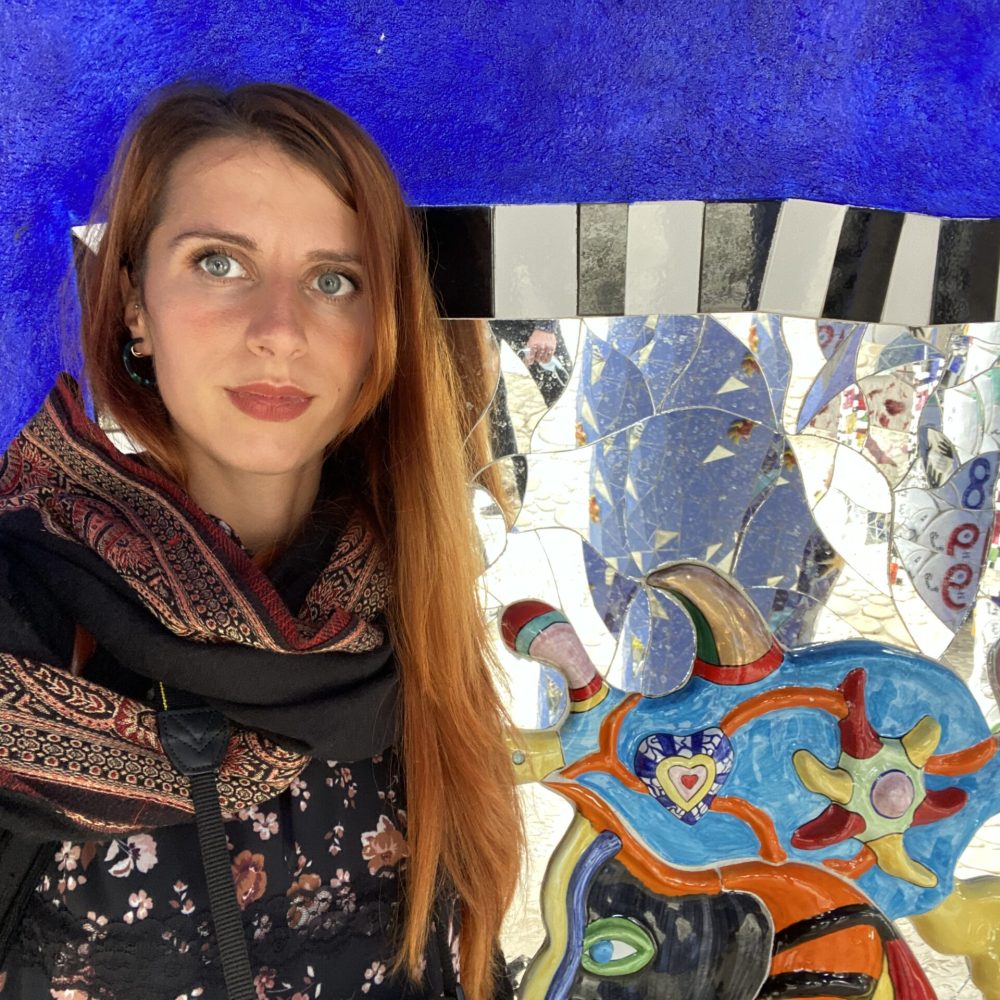
Martina G. Cipolletti
Listening as a Practice: Ethics, Boundaries and Embodied Awareness in Mentoring
Read Full Insight
“
As a cross-disciplinary designer, relational counsellor and professional coach, what works most effectively to manage stress when mentoring young creative practitioners is the conscious normalisation of fatigue, limits and not-knowing. Countless emerging creatives experience stress not only because of external pressures, but because they feel compelled to appear competent, articulate and in control at all times. Actively legitimising uncertainty allows pressure to decrease and restores trust in the learning process.
Central to this approach is genuine listening. For mentors in creative fields, active listening means suspending assumptions, setting aside one’s artistic ego and resisting the impulse to “know better” than the mentee. It requires becoming a medium rather than a protagonist, facilitating the mentee’s capacity to identify their own strategies, rhythms and objectives.
I have also learned that it is often necessary to work through the body before working through language.
Example: In one group facilitation session, a participant shared a highly stressful and personal situation and became emotionally overwhelmed, monopolising the space and increasing her own distress to the tears. I acknowledged her discomfort, invited to quantify it on a scale from zero to ten, and guided a brief autogenic training exercise involving the whole group. Once bodily tension had eased, I gave closure by asking to visualise without sharing, a single, achievable action that could lower her distress by one point. I then offered individual support during the break and outside the group setting and resumed the session.
Equally crucial is awareness of professional boundaries. Mentoring, counselling and psychotherapy are distinct practices. Ongoing supervision and continuous professional development are non negotiable for mentors in order to recognise when distress exceeds the scope of mentoring. When this occurs, I actively support the mentee in accessing appropriate psychotherapeutic care and, when possible, collaborate ethically with other professionals. Respecting these limits is not a restriction, but a prerequisite for responsible and effective mentoring that truly supports mental well-being.
“
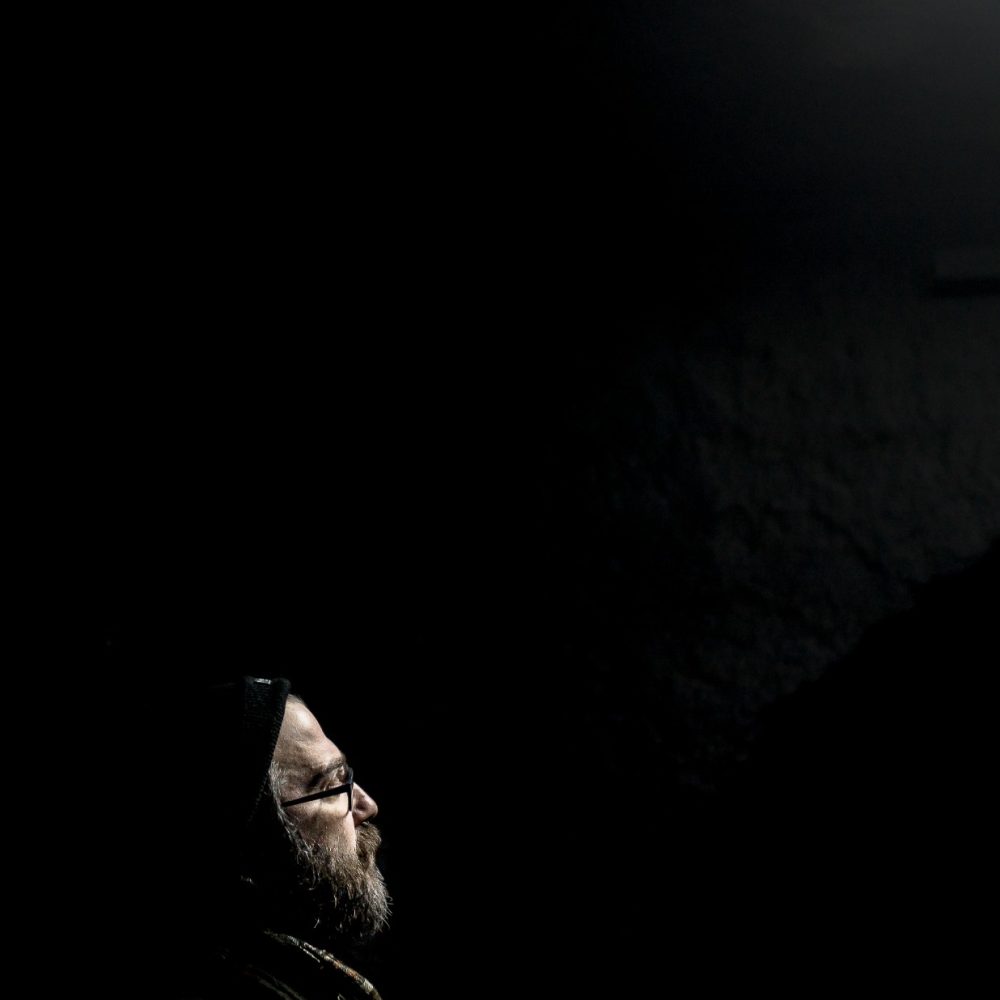
Massimo Varchione
Learning, Not Performing: A Strategy for Stress.
Read Full Insight
“
When a music student freezes because they feel “not good enough,” help from the teacher isn’t always enough: that distance can increase shame and pressure. That’s why I use a peer as close support—a kind of “side-by-side” mentor. The first step is a non-judgmental environment: we’re here to learn, not to prove ourselves. It’s practice, not performance. The result is twofold: the student receiving help learns that the block can be overcome; the student offering help strengthens skills and confidence by sharing a method, not by “showing” they’re better. In just a few sessions the atmosphere changes: difficulty becomes something you can talk about, not something to hide. Another key point: pressure spikes when a task feels like “everything at once.” So I break it into smaller parts and provide support tools (frameworks, rules, examples). Then I choose an easy entry step: the goal is to make something happen immediately. When the hands start moving, the mind stops spiraling. During the work I give quick micro-feedback—not a full correction, but short signals that guide (“this works,” “here you have two options,” “here you need a constraint”). That way the student isn’t left alone with the anxiety of realizing too late they went in the wrong direction. At the end, we do a one-minute wrap-up: what unlocked you? what slowed you down? what will you use next time? This process memory builds confidence in the method, not in talent. Over time, students learn to recognize the early signs of panic and know which step to choose to get back into the work.
“
Anna Maria Piccoli
To rehearse is the freedom to make mistakes.
Read Full Insight
“
In my work training young people involved in theater and live performance, I try to prevent stressful situations and foster expressiveness by increasingly focusing on the process rather than the outcome, starting from the etymology of the term “rehearsal.” “To rehearse” is to repeat in English, “repetition” in French, “provare” (to try) in Italian. A process in which mistakes are not only expected, but indispensable. Accepting mistakes and imperfections, strengthening the group’s ability to listen, wards off anxiety and helps focus on a training path that will leave its mark and generate individual and social benefits and impact, even if an artistic career doesn’t take off immediately or at all. “Repetition” and practice are, first and foremost, a physical gesture. A physical gesture free from the result.
In a historical moment that pushes performance so hard, that consumes and burns everything quickly, we focus on the time needed for the gesture to consolidate, with commitment and self-awareness, while learning to recognize and manage states of anxiety and frustration.We therefore encourage students to repeat their exercises several times, asking their peer group, based on ecological communication, to suggest and correct any issues. This builds trust and listening, and prepares for the upcoming confrontation with the real audience. If an emotional breakdown occurs, which is quite typical in theatre practice, where personal emotions easily surface among practitioners, we try to deal with it lightly, and, as soon as the student has recovered, we immediately invite him or her to try again, emphasizing that the goal is first and foremost to have fun. Our national context doesn’t offer many career opportunities for actors, especially theater actors, so frustration can be significant, especially over time. We try to address this by demonstrating all the possible applications and skills that can be applied socially through a solid theater education, ensuring that all the efforts made will never be wasted. Theater is a facilitator because it’s first and foremost a group effort, something we do together that’s impossible to do alone, and the relationships it creates contribute in themselves to well-being. In fact, it’s also a widely used tool in medicine, for social inclusion and group management.
“

Erica De Martini
Knowing Yourself Through SEL: Social Emotional Learning as a Path to Well-Being and Stress Management.
Read Full Insight
“
Knowing oneself is a foundational step toward personal well-being, especially for young people navigating complex emotional, social, and academic pressures. In my work with youth, I use the Social Emotional Learning (SEL) methodology as a practical and relational tool to support self-awareness, stress management, and emotional balance. SEL is not only an educational framework, but also a powerful mentoring approach that fosters growth through connection.
At the core of SEL is self-awareness: the ability to recognize one’s emotions, thoughts, strengths, and limits. Through guided reflection, dialogue, and experiential activities, young people learn to name what they feel and understand how emotions influence their behaviors and decisions. This awareness is essential for managing stress, as it allows individuals to notice early signs of overload and respond with healthier strategies.
SEL also develops self-management skills, such as emotional regulation, resilience, and goal setting. In training sessions, these skills are practiced in a safe environment, helping young people build confidence in their capacity to face challenges. Stress is no longer seen as something to eliminate, but as a signal to listen to and manage constructively.
Within a mentoring relationship, SEL becomes even more effective. The mentor models empathy, active listening, and emotional regulation, creating a trusting space where young people feel seen and supported. This relational dimension transforms learning into lived experience. By integrating SEL into mentoring, young people not only learn techniques for well-being and stress management, but also develop a deeper, more compassionate understanding of themselves—an essential foundation for personal and social growth.
“
Section 06
Documentation
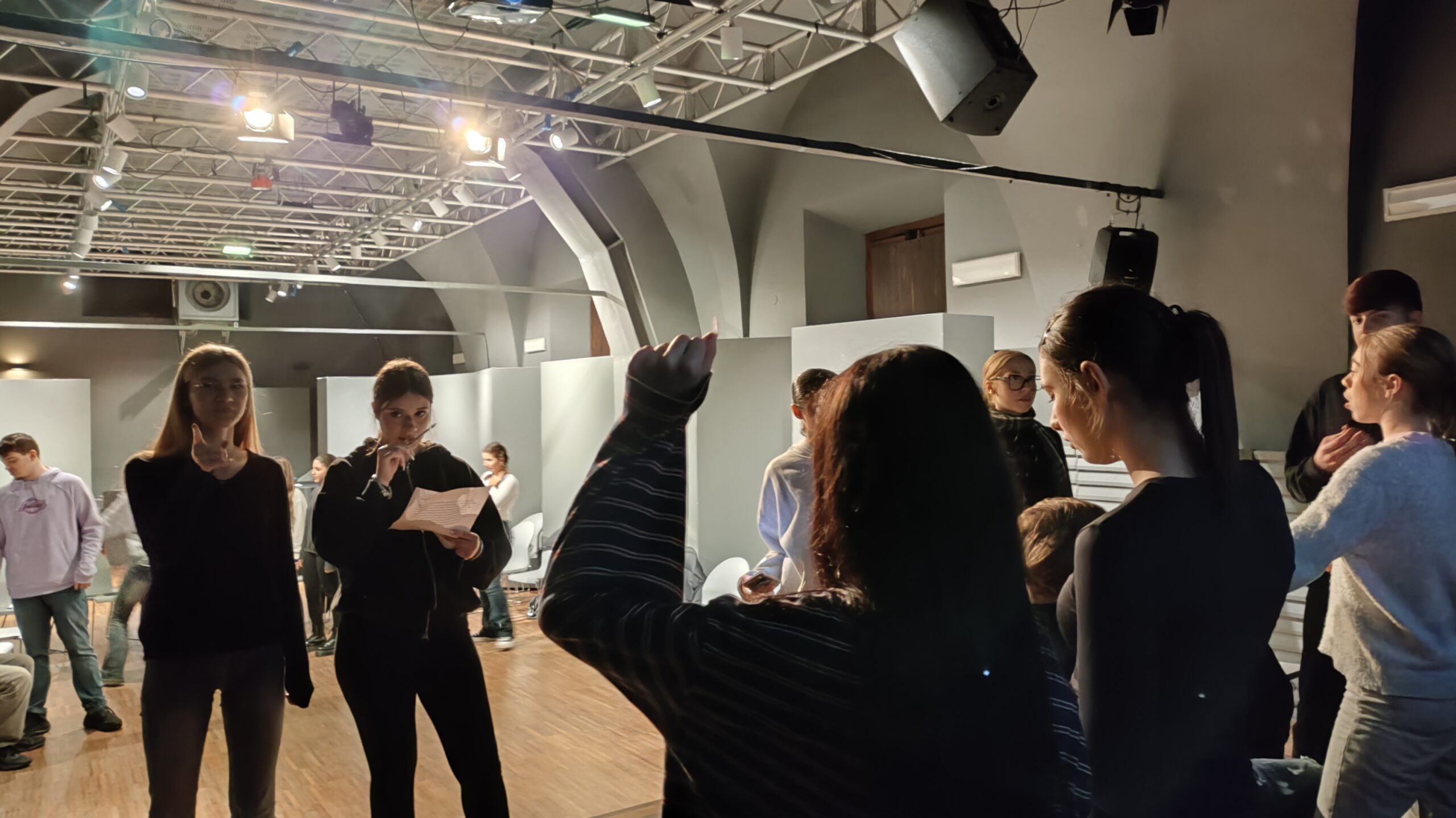
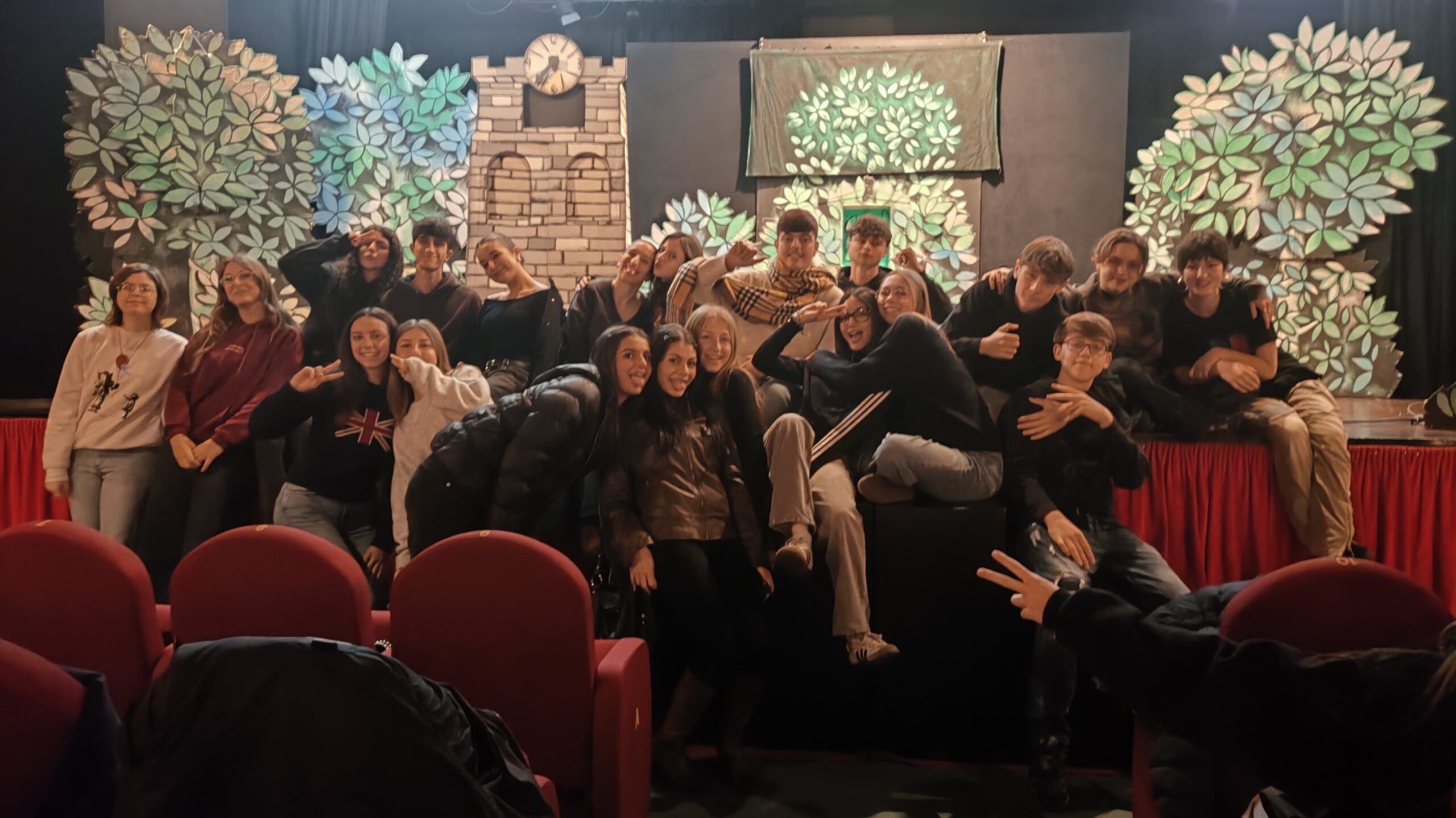
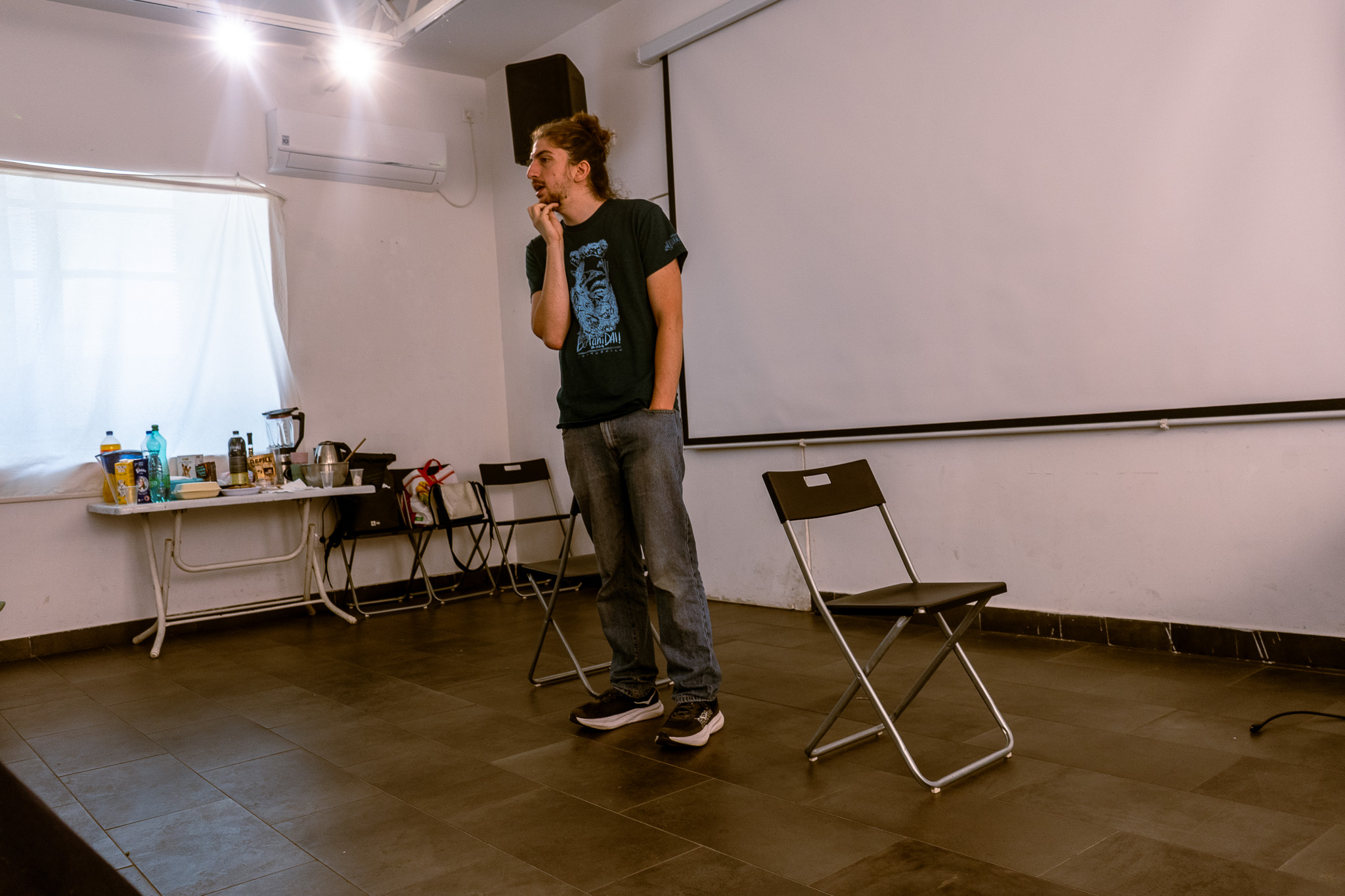
Photo Gallery
Videos
[Video 1 caption]
[Video 2 caption]
Section 07
Online Workshop Output
Workshop Summary
The session aimed to frame well-being as a core condition for sustainable creative development and to strengthen mentors’ capacity to recognise stress, emotional dynamics, and relational complexity within creative learning environments.
The workshop opened with an introduction by the MuLab team outlining the project context and the role of mental and physical well-being in creative education and career. Participants were invited to consider how stress is often a structural feature of creative sectors characterised by uncertainty, competition, and precarious working conditions. The session emphasised the importance of self-awareness practices, collective support, and the ability to recognise when professional help is needed.
Read Full Summary
A keynote contribution by Enrico Ferraro, President of the Mental Health Council of ASL RM1, explored the relational dimensions of mentoring and their impact on students’ psychological well-being. Ferraro highlighted three essential factors identified by young learners: the mentor’s competence, the ability to offer a vision of future possibilities, and a psychologically attentive relationship. He emphasised affection as genuine curiosity towards the student, the importance of presence within the educational relationship, and the need for mentors to analyse their own emotional reactions in order to better understand students’ underlying needs.
Participants then engaged in breakout sessions based on shared reflective practice. They discussed challenging situations with students, debated the concept of the “model student”, and reflected on the role of mistakes in learning processes. Several contributions illustrated how negative experiences, such as conflict, frustration, or unmet expectations, can be reframed as opportunities for growth, both for mentors and mentees. Discussions converged around the idea that effective educational relationships rely on openness, empathy, and adaptability rather than fixed behavioural models.
Key engagement moments included the exchange of real teaching/mentoring/training experiences, peer reflection on emotional reactions in mentoring contexts, and the collective reframing of failure as a learning resource. Materials produced during the session included the workshop presentation slides, Ferraro’s keynote reference materials, and documented reflections from the breakout discussions.
Explore the Full P2CC Guide
Return to the platform to explore all five guide sections developed by the P2CC partnership across Europe.